Contents
What Needs PAT Testing?
For businesses and landlords, keeping your property safe is paramount. Companies need to ensure a safe working environment for staff, while landlords must protect their tenants from potential fire hazards and faulty electrical equipment.
That’s why PAT testing is vital in these sectors, but many property managers don’t understand it. As an experienced electrician providing PAT testing across Swadlincote, Derby, Leicester, Tamworth, Nottingham and the surrounding area, Jack Jones Electrical understands the importance of PAT testing.
If you’re eager to learn more and find out what kind of electrical appliances need PAT testing, then keep reading our expert guide.
What Is PAT Testing?
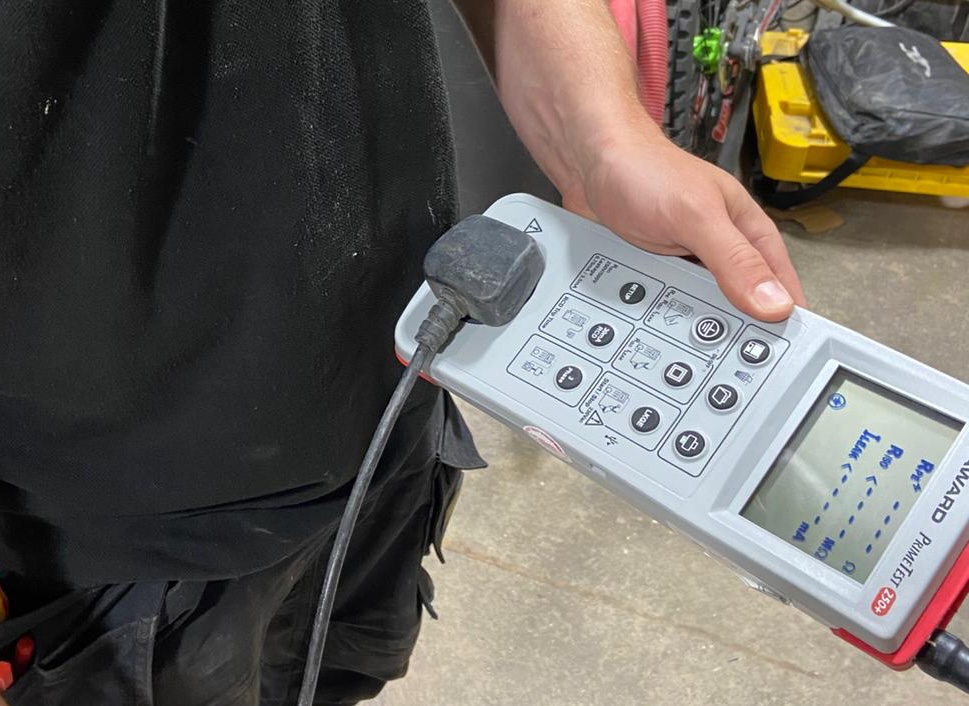
Portable Appliance Testing (PAT testing) is the testing of portable appliances and electrical equipment to ensure it is safe and reduce the chances of future faults, electric shocks and other issues.
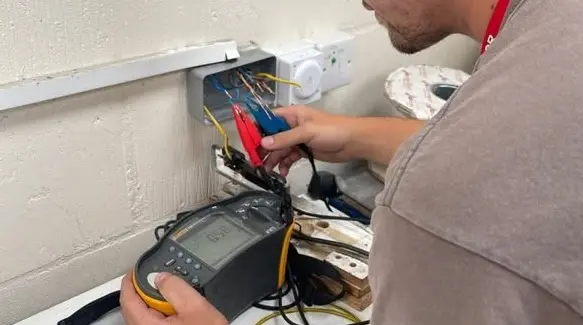
PAT testing involves both a formal visual inspection of the electrical equipment to check for damage and also electrical testing to review earthing and insulation.
While regular PAT testing isn’t a legal requirement, it is important to ensure business leaders and landlords stay compliant with relevant electrical safety regulations. Learn more in our guide: Is PAT A Legal Requirement?
Business leaders need PAT testing to meet the HSE UK’s Electricity at Work Regulations 1989 and ensure safety for staff and potential site visitors.
For landlords, the Electrical Safety Standards in the Private Rented Sector (England) Regulations 2020 means landlords are responsible for keeping their tenants safe and reduce the chances of an electrical fire or fault.
What Items Are Classed As Portable?
Items are classed as portable if they are intended to move while connected to a power supply, or if they can easily be lifted. Even some white goods, that aren’t regularly moved but can be if needed, are also classed as portable and need PAT testing. Some examples of portable appliances include:
- Power Tools such as drills, grinders and portable saws
- Hoovers and electric floor cleaners
- Portable cooking equipment such as kettles, electrical whisks etc
- Computer equipment including monitors, copiers, printers and others
- Chargers or extension leads
- White goods that can be moved, such as fridges, freezers, washing machines and vending machines
If you’re unsure if your electrical equipment needs PAT testing, contact us and our team can advise you and provide expert guidance. Once PAT testing has been carried out, PAT labels will be affixed to the plug sockets on the items stating when the next test needs to be carried out.
What Items Don’t Need PAT Testing?
Items that don’t need PAT testing include anything that runs entirely on batteries, such as mobile phones or laptops, although battery chargers that need plugging into the mains power supply will need testing.
Additionally, any item that is a fixed installation, such as ceiling lights and hardwired electrical equipment, such as machinery.
Book PAT Testing Today
To carry out PAT testing, you need to be classed as a competent person, which means that you have the training and knowledge to safely check your electrical equipment. While a PAT tester doesn’t have to be a qualified electrician, using one can ensure accuracy and reduce your risk of a potential electrical issue.
Additionally, when you choose a professional electrical services provider like Jack Jones, you get more than just PAT testing expertise. Our team can also carry out domestic installations, commercial electrical services, EICR testing, electrical inspection, lighting, fire alarms, CCTV, EV charger installation and more.
As such, when you use us for your PAT testing, you’ll be able to ensure you comply with all relevant electrical safety obligations. We can also explain other topics, such as: What Is An EICR?
If you’re ready to book PAT testing services, contact us today on 07508706527 or by emailing jack@jackjoneselectrical.co.uk.