Contents
What Is An EICR? Guide For Landlords & Property Managers
What is an EICR? Many small landlords or newcomers to the industry may not understand this term, but EICRs are a legal requirement for rented homes throughout the UK.
As a provider of EICR testing for properties across Swadlincote, Derby, Leicester, Tamworth, Nottingham and the Midlands, Jack Jones Electrical understands the importance of EICRs for landlords and property managers, which is why we’ve put together this comprehensive guide.
What Does EICR Stand For?
EICR stands for Electrical Installation Condition Report, and involves electrical inspection and testing to ensure your system is compliant with current electrical safety standards.
This is a periodic inspection that is used to ensure the safety of your property’s wiring and electrical systems.
Do Landlords Need An EICR Certificate?
In the UK, landlords in both the social housing and private rented sectors need to have an EICR at least every five years, as per the UK government’s guidance.
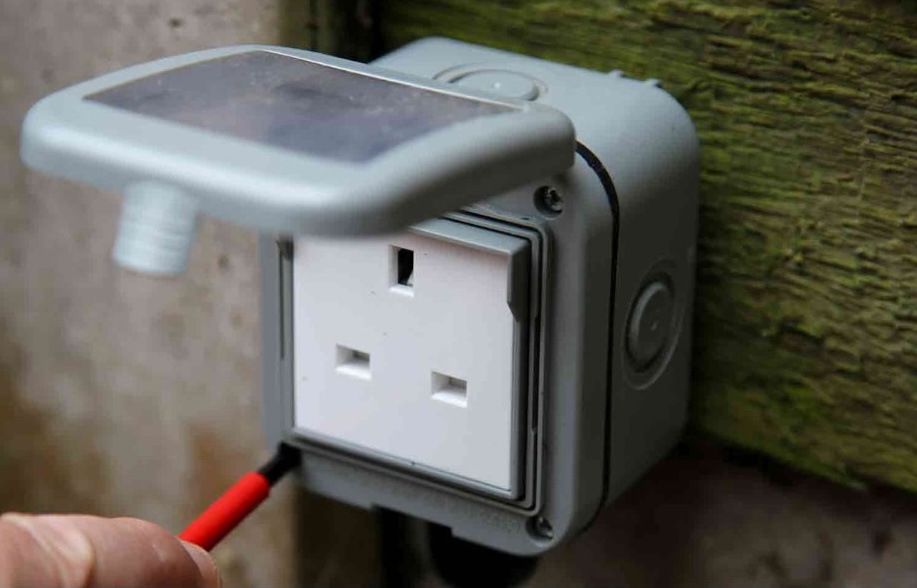
This applies to residential rental properties, and requires that an electrical installation condition report be produced for all fixed electrical installations, including wiring, plug sockets, light fittings and anything else that is fixed in the building.
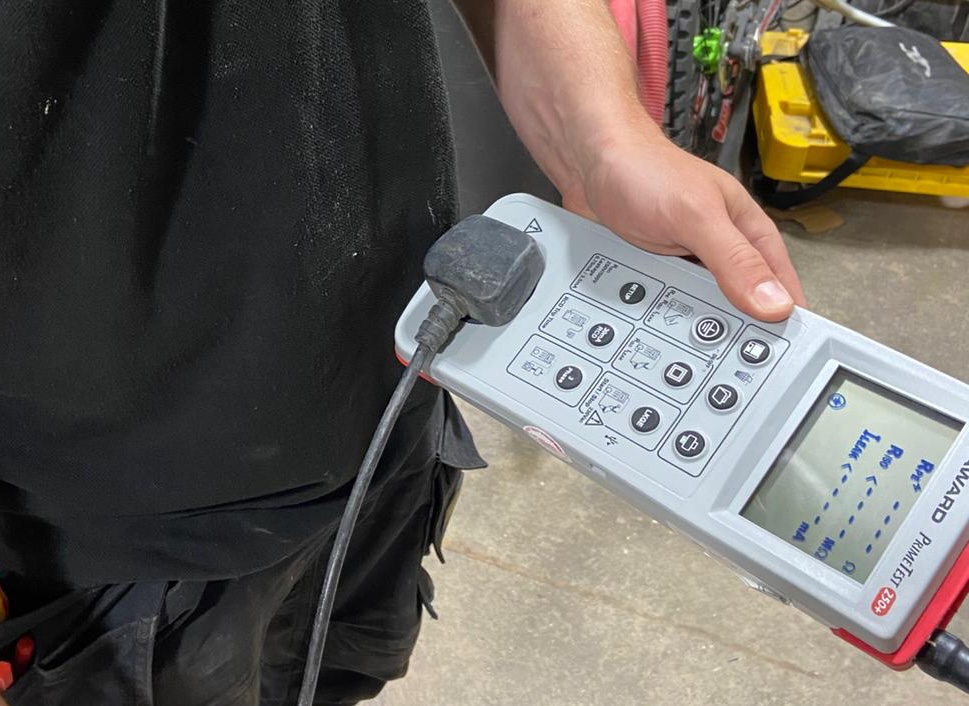
For portable appliances, which can be unplugged and moved, PAT testing is required at the start of every new tenancy and every year thereafter. A new EICR is not required when new tenants move in, but they must be presented with the electrical safety certificate when their tenancy begins.
If the entire building is rewired, then a new EICR will need to be issued. For minor work carried out on the property, such as new lighting installation, an Electrical Installation Certificate (EIC) from the electrician will suffice.
What Does An EICR Inspection Involve?
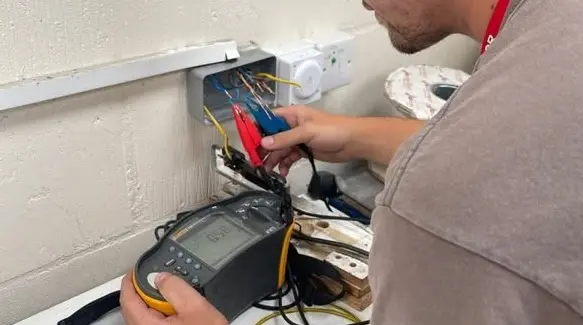
There are two main stages to an EICR inspection: visual inspection and circuit testing. The visual inspection involves checking for issues such as:
- Cracks or other damage to sockets and light fittings
- Signs of overheating or damaged wiring
- Outdated consumer units or incorrect circuit labelling
- Missing or broken electrical equipment
- Any alterations that don’t meet electrical safety standards or weren’t carried out by a qualified and competent person
- Hardwired appliances such as boilers and showers for signs of damage or electrical issues
Circuit testing involves a range of tests, including:
- Continuity Testing: This ensures that all the wires in the property are properly connected and that there are no unnecessary breaks
- Insulation Resistance Testing: This checks the insulation on the wires, to ensure it isn’t damage and can’t break down
- Polarity Testing: This checks that the live and neutral wires are correctly connected and that the circuit breakers are correctly installed.
- Earth Fault Loop Testing: This is to check that if a fault occurs, the system will trip quickly as intended to safely cut off the supply.
- RCD Testing: This is to ensure that RCDs (Residual Current Devices) are working and that they trip quickly enough
The result of this inspection and testing is put into the electrical installation condition report, which will either pass parts of the property, or use a fault code:
- Code C1: Danger is present and immediate action is required
- Code C2: Potentially dangerous and urgent remedial work is needed
- Code C3: Not dangerous but improvement recommended, however further remedial work is not needed for the report to be passed as satisfactory
- FI: Further investigation is required
The report is then provided to the landlord, and must be shared with your tenants, and with your local authority within 7 days if they request it.
How Often Do You Need An EICR?
In the UK, private domestic rental properties need an EICR every 5 years. Many commercial properties also need an EICR every 5 years, unless they are classed as ‘high risk’, and require significant power to operate.
For large, at risk sites, such as swimming pools, petrol stations, industrial units and others, an EICR is required every 3 years.
What Happens If The EICR Is Unsatisfactory?
If an EICR inspection shows faults requiring either remedial action or further investigation, landlords need to ensure this work is completed 28 days of the inspection, or sooner if specified in the report.
Codes C1, C2 and F1 will require immediate remedial action to ensure the safety of your property and tenants.
You will need to hire a qualified electrician to fix the faults and supply you with an Electrical Installation Certificate (EIC) for major work or a Minor Electrical Works Certificate (MEWC) for smaller issues.
These documents will prove that you have rectified the issues on the EICR and will ensure compliance, meaning you won’t need another EICR.
If you get a C3 fault, then the issue isn’t classed as immediately dangerous, but it is advisable that you consider getting it fixed for peace of mind and to reduce the chances of hidden damage to your electrical system in the future, which could require costly repairs.
Failure to fix urgent issues could result in a severe financial penalty, and your insurance policy could be revoked.
How To Arrange An EICR Inspection With Jack Jones Electrical
An EICR can only be carried out by a fully-qualified electrician who is up-to-date on current regulations and electrical safety standards.
At Jack Jones Electrical, we have extensive experience providing EICRs, as well as other testing and inspection for homes and businesses across Derby and the Midlands.
If the fault classification code indicates that you need immediate remedial work, we can carry out all electrical repairs ourselves.
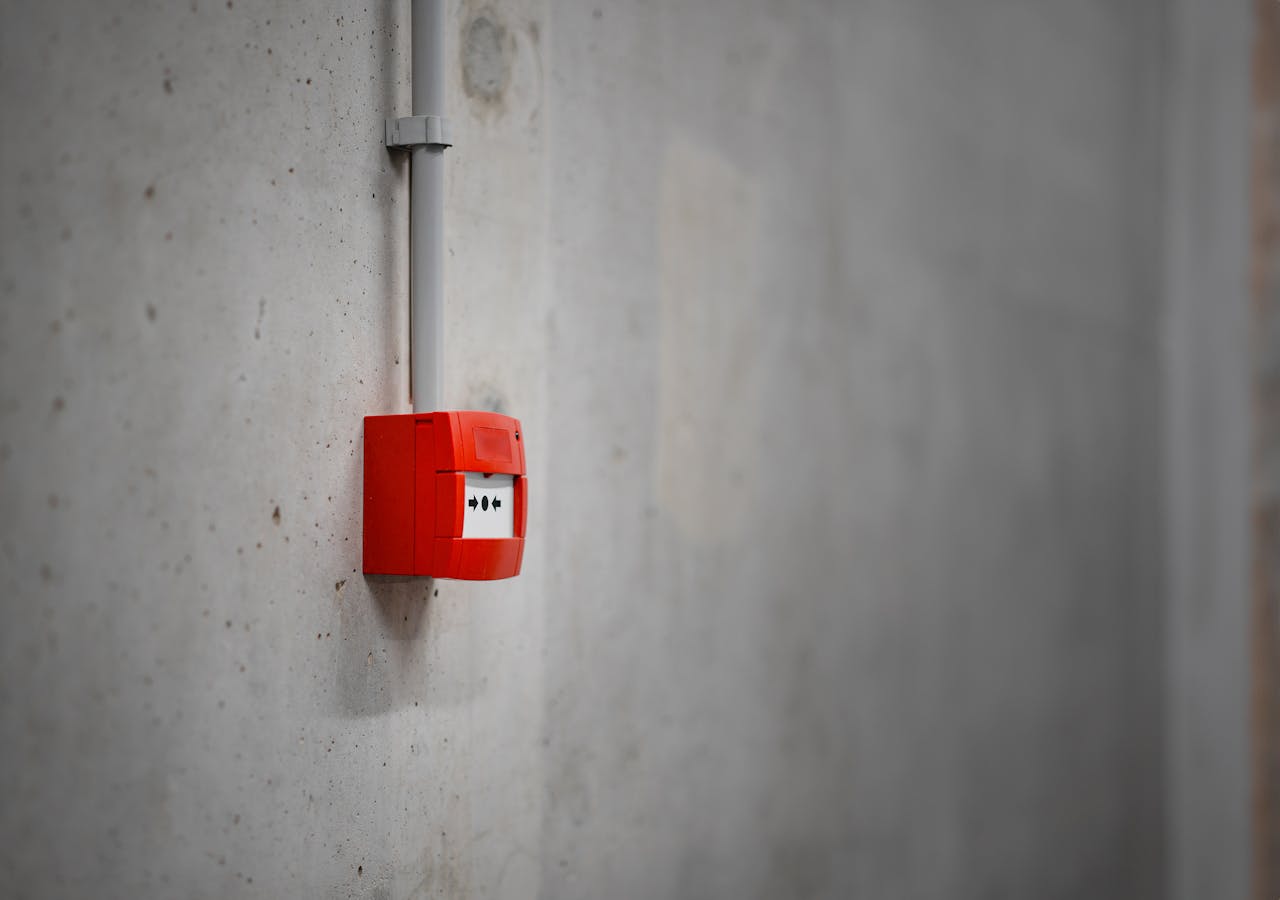
Additionally, we can carry out a range of other electrical services, including EV charger installation, fire alarm testing and CCTV installation.
As such, Jack Jones is the only electrician you need in Derby, Swadlincote, Tamworth and throughout the Midlands.
To book an EICR inspection and ensure full compliance, contact us today on 07508706527 or by emailing jack@jackjoneselectrical.co.uk.